One Card per Provider and Key
Create a separate virtual card for OpenAI, Anthropic, Google and each GPU cloud, then one per API key or environment. Each card has its own limit, so no single key can drain the budget.
Most AI teams pay OpenAI, Anthropic, Google and GPU clouds from one shared card and learn about the bill later. Elibrium gives each provider, API key and environment its own virtual card, limit and live visibility.
Built for high-volume spend
Elibrium platform data, September 2026.
Create a separate virtual card for OpenAI, Anthropic, Google and each GPU cloud, then one per API key or environment. Each card has its own limit, so no single key can drain the budget.
Set a spending limit and an expiry on every card. When a model loop, a leaked key or a forgotten experiment tries to spend past it, the payment is declined instead of landing on next month's invoice.
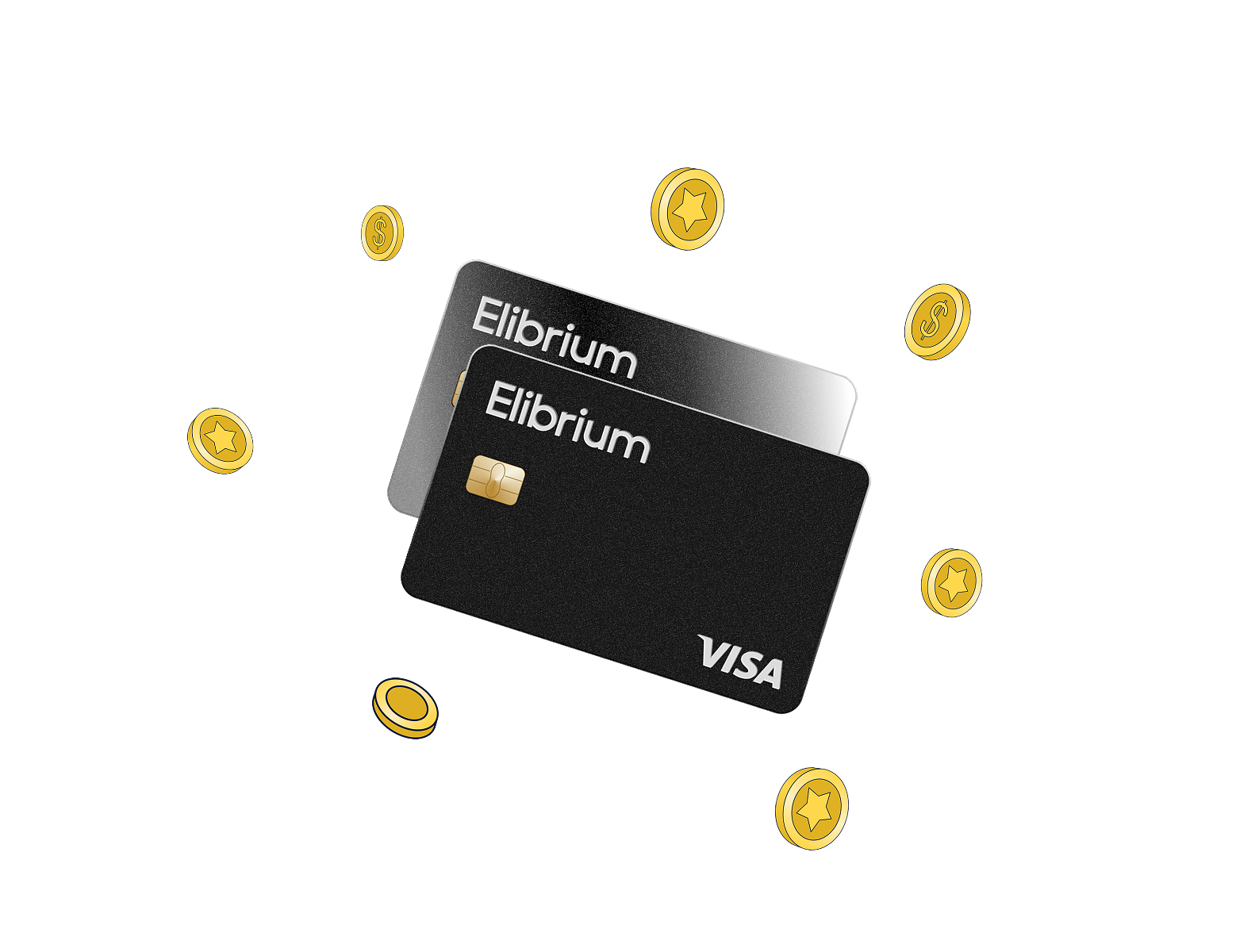
Earn up to 1.5% cashback on card payments, including your model API and GPU cloud invoices. The rate depends on volume, average payment size, the US to international ratio and your decline rate.
Issue virtual cards for each provider and API key, set limits that hold, and track AI token spend across teams and tools in real time.
Spend management built for AI-native teams: one card per key makes every dollar of model and GPU spend attributable, capped and visible the moment it posts.

Give OpenAI, Anthropic, Google and each GPU cloud its own card. Provider bills stay apart, and each one has a ceiling you chose.
Map cards to API keys or environments, so dev, staging and production spend never mix and a leaked key can only spend its own limit.
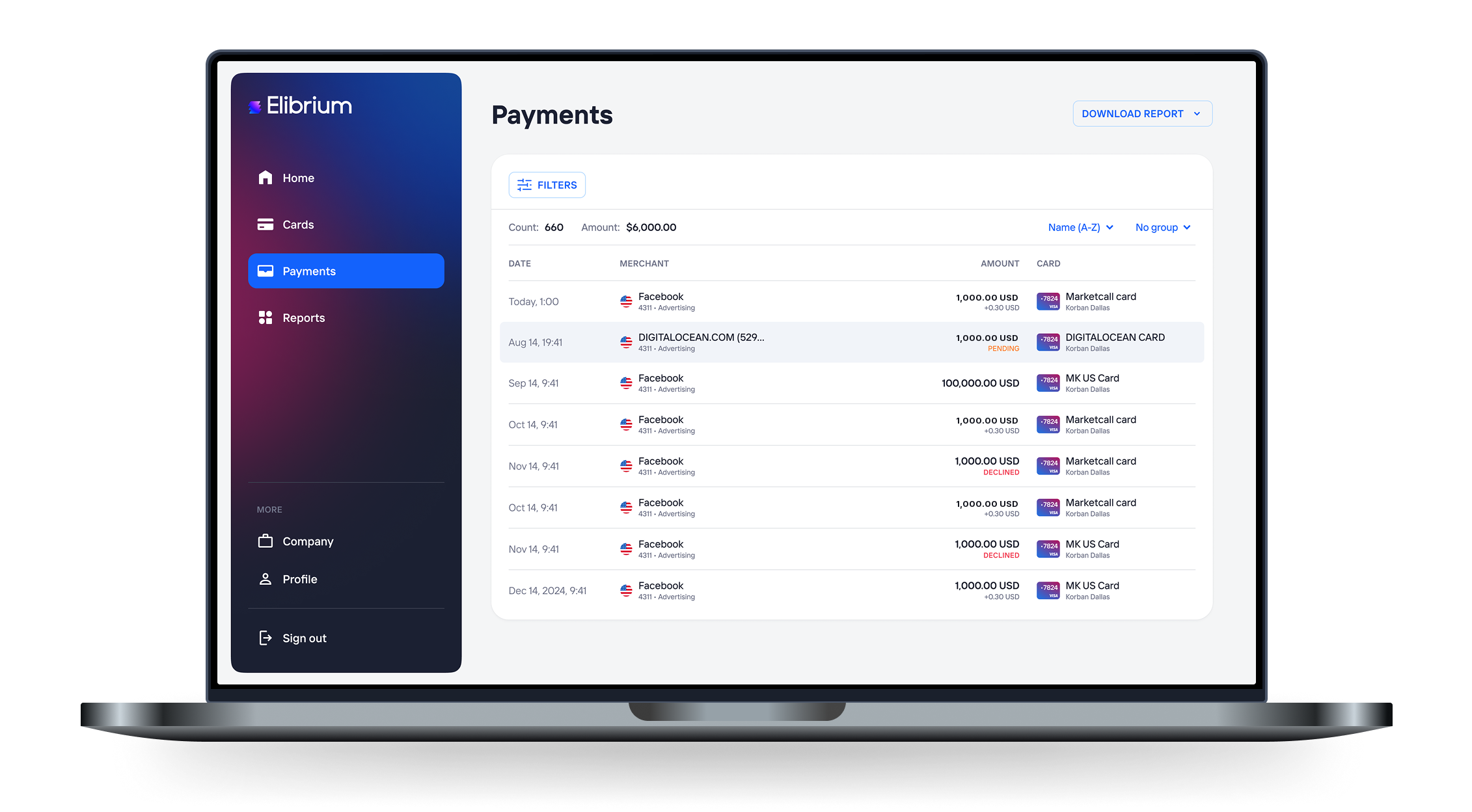
See every charge as it posts, by card, provider and team. Spot an unexpectedly high LLM API cost the same day, not at the end of the month.
Issue cards, adjust limits and freeze them through the REST API when you create a key, spin up an environment or close a project.
Give OpenAI, Anthropic, Google and each GPU cloud its own card. Provider bills stay apart, and each one has a ceiling you chose.
Map cards to API keys or environments, so dev, staging and production spend never mix and a leaked key can only spend its own limit.
See every charge as it posts, by card, provider and team. Spot an unexpectedly high LLM API cost the same day, not at the end of the month.
Issue cards, adjust limits and freeze them through the REST API when you create a key, spin up an environment or close a project.
For US-registered AI startups and teams paying model APIs and GPU clouds: virtual Visa cards with per-card limits, real-time visibility and cashback.
Customer results
16,000+ ad campaigns launched in 3 months, one card each. $13.4M+ settled.
"Every campaign gets its own card - we launched over 16,000 in a single quarter. Each media buyer controls their own spend, and we see every dollar in one place instead of chasing statements at month-end."
Reconciliation: from a week to minutes. 3,600+ cards, $3.3M+ settled.
"Reimbursing a distributed team used to mean receipts, spreadsheets and a full week of reconciliation. Now everyone gets a card with the right limit, and reconciliation takes minutes."

Virtual cards for AI agents: one card per task via API, its own limit and expiry, real-time visibility for your team.
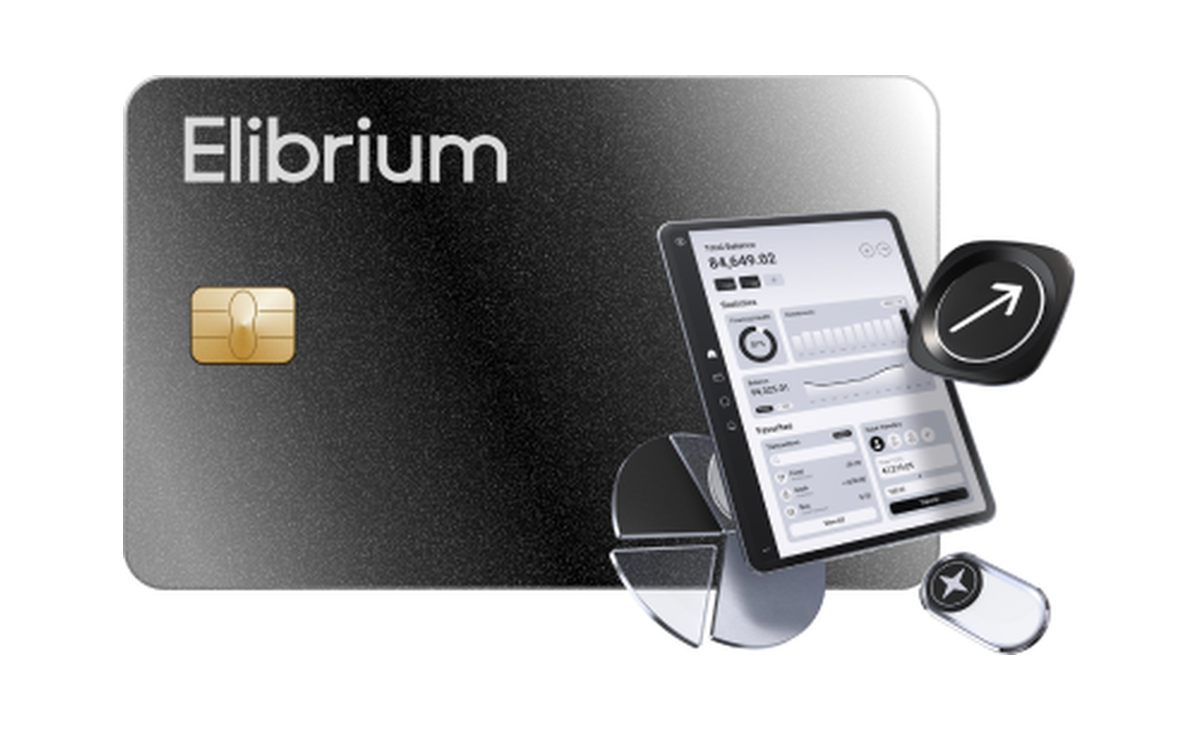
A virtual card for every SaaS subscription and cloud bill, with per-card limits, real-time visibility and cashback.
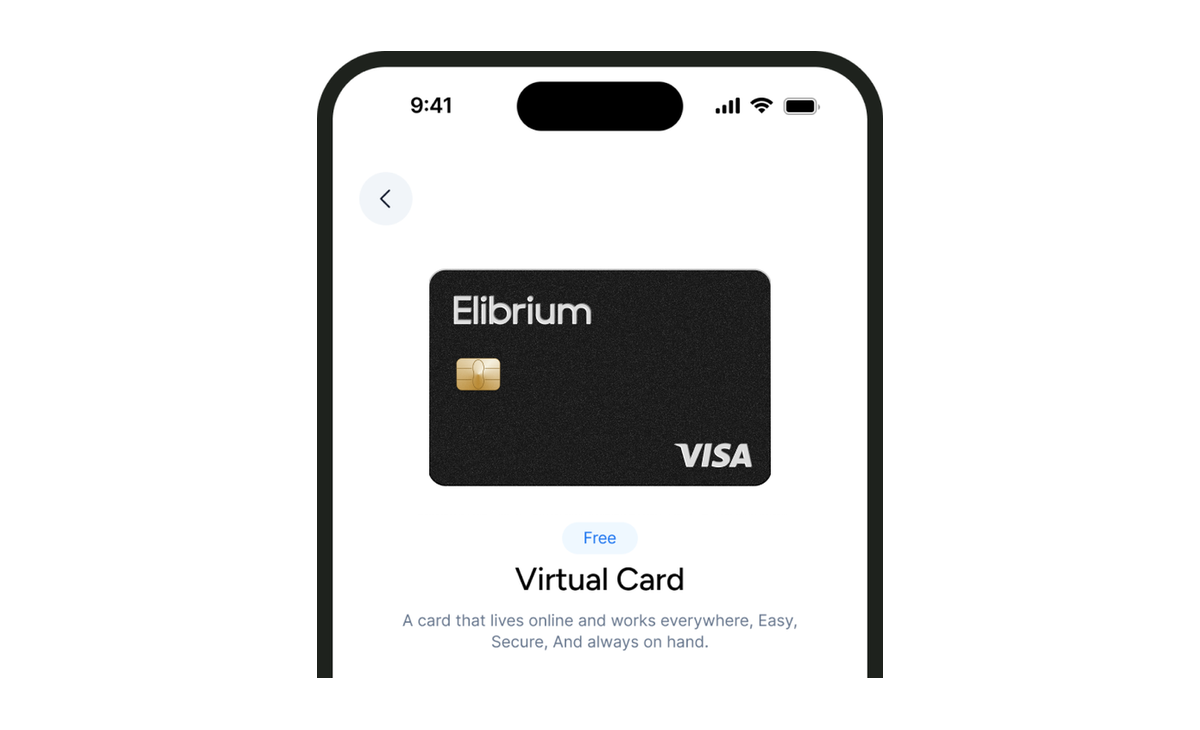
Programmatic virtual card issuing through a REST API for platforms, marketplaces and fintechs running US operations.
Mobile app
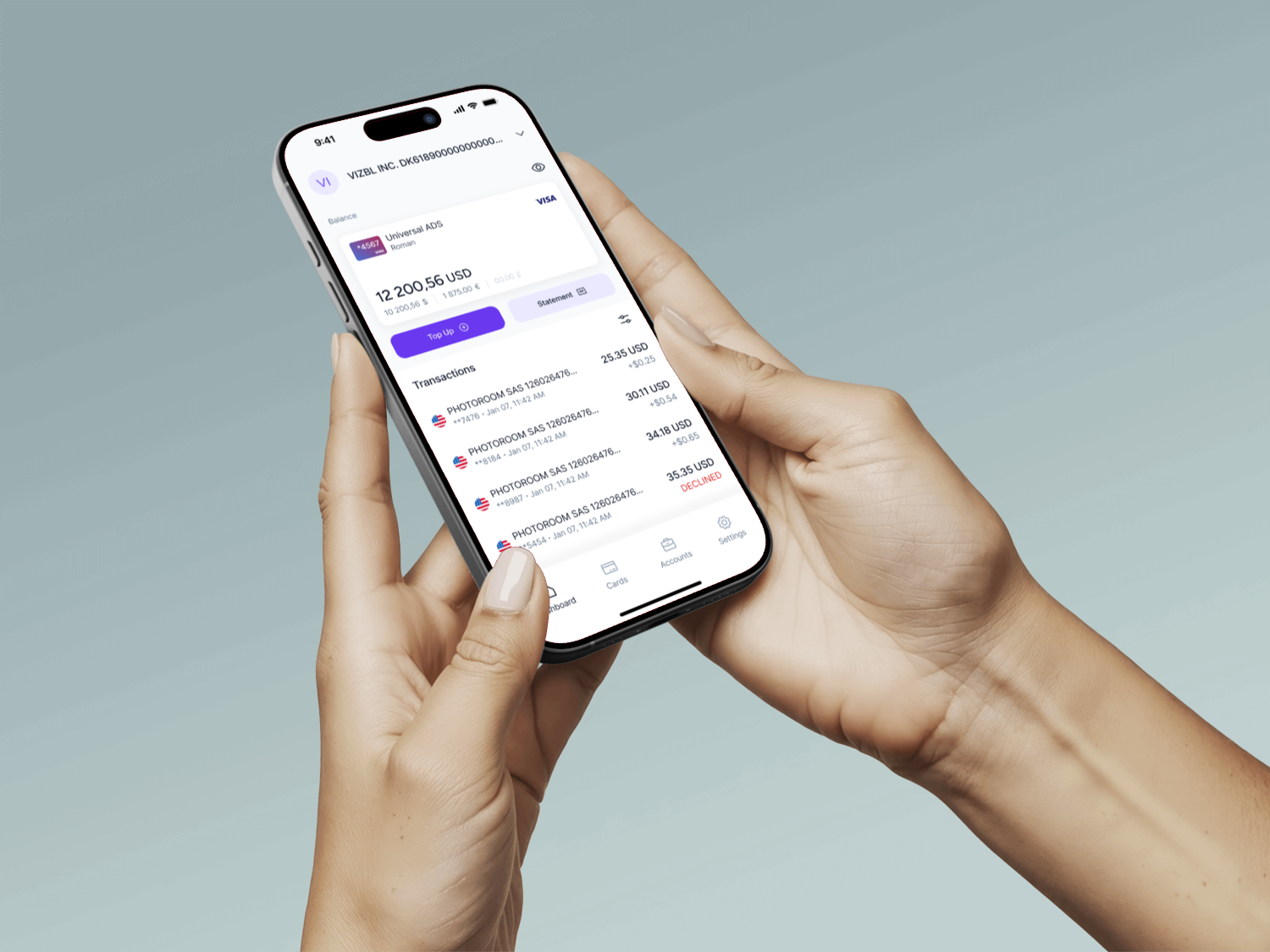
Check balances, adjust limits and freeze cards from your phone.
API
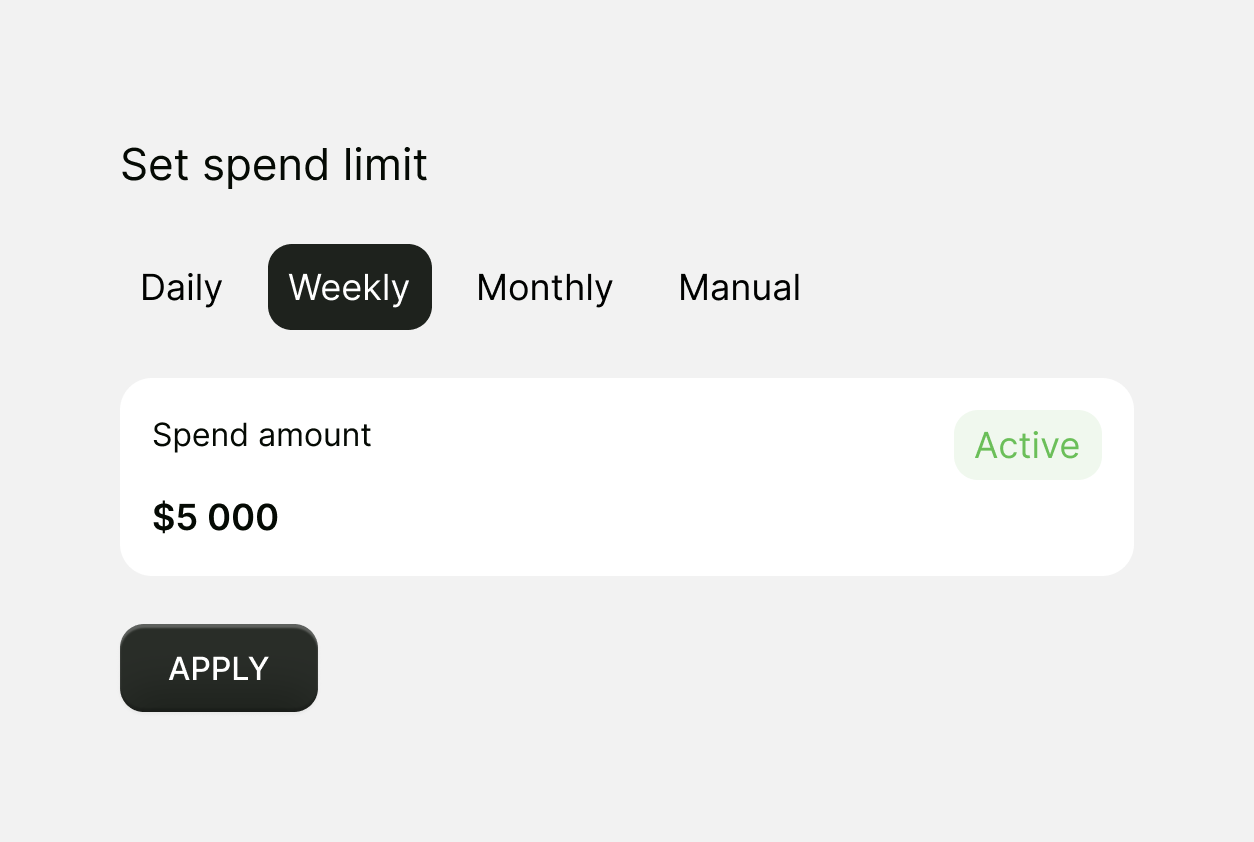
Create a card for each campaign, offer or client the moment you launch it. Built for ad-tech platforms and teams processing thousands of payments a day.
POST /v1/cards
Authorization: Bearer <api_key>
Content-Type: application/json

{
  "name": "Meta Ads - Q4",
  "limit": 5000,
  "currency": "USD"
}Cards by provider, key and team, live transactions and limits you can change in seconds. One view of what your models and GPUs actually cost.
Still have questions?
AI token spend is what a company pays model providers for the tokens its applications consume through their APIs, plus the GPU and cloud time behind self-hosted models. It is usage-based, so it can jump without warning. Elibrium does not meter tokens; it caps the money side with a separate virtual card and limit per provider or API key.
Give each provider its own virtual card. When OpenAI, Anthropic, Google and your GPU cloud each bill a different card, the Elibrium dashboard shows spend per provider in real time without exporting invoices. Add one card per API key or team to break it down further, and set a limit on each so the total stays inside budget.
Yes. Elibrium issues Visa virtual cards, which you can add as the payment method wherever Visa is accepted, including OpenAI API billing, Anthropic, Google and GPU cloud accounts. Use one card per account or API key, set its limit, and the provider can only charge up to that amount before the card declines.
The card declines once it reaches its limit, so the damage stops at the amount you set for that key or environment. You see the charges in real time, can freeze the card in seconds, and can reissue a new one for a fresh key. This is why we suggest one card per key rather than one company card for everything.
Yes. Cashback of up to 1.5% applies to card payments, including model API and cloud invoices. The exact rate depends on your transaction volume, average payment amount, the ratio of US to international payments and your decline rate. Domestic payments have no platform fee; international transactions cost 1% + $0.30.